Good Form · Buenos Aires
How to do Buenos Aires properly
Our editors set the questions a visitor tends to ask, and the answers come from official sources and the venues’ own rules, checked in November 2026. Buenos Aires forgives almost anything except an early dinner.
Updated October 2026
Paying and tipping
Should I tip in a restaurant or bar?
Tipping is not required by law in Argentina, the national tourism board states, but it is a widespread custom, and the usual amount is 10 per cent of the bill. It is a way to recognise good service and to add to the income of the floor staff.
Leave it on the table or hand it to the waiter when you pay; in more casual cafés there is often a jar by the till for notes or coins.
Good form: 10 per cent for good service, handed to the person who gave it.
Can I add the tip to my card payment?
Often, yes. Where the card machine allows it, the waiter will ask whether you would like to leave a tip and add it to the total, the national tourism board explains.
With neither cash nor that option, you can ask for an alias and send the tip by bank transfer; some teams share one account and split what comes in.
Good form: ask before you tap; the question is always welcome.
Can I pay a taxi in dollars?
No. Taxi fares in Buenos Aires are charged exclusively in Argentine pesos, the Foreign Ministry’s visitor guide states, and the City publishes the fare table at buenosaires.gob.ar/taxis/tarifas.
To report a problem with a taxi, call the City on 147, the tourist assistance line on 0800 999 2838, or write to taxis@buenosaires.gob.ar.
Good form: carry pesos for the ride, and check the meter is running.
Dress codes
Do I need to dress up for a tango dinner show?
Not formally. El Querandí, in the historic quarter, says plainly that it has no dress code and suggests smart casual; dinner begins at 7.30pm and the 75-minute show at 9.30pm.
Other houses set their own rules, so ask when you book. The stage, in any case, will be better dressed than the audience.
Good form: smart casual, and shoes you could dance in, should the evening insist.
What size am I in Argentine clothes and shoes?
The City’s tourism office publishes the conversions. For suits and overcoats, an Argentine 46 is a US 36, 48 a 38, 50 a 40 and 52 a 42. Shirts run 38–39 for a US 15 collar and 40–41 for a 16; shoes run 40 for a US 7½, 41 for 8½ and 42 for 9½.
Treat the table as a starting point and try things on: leather, in particular, has opinions of its own.
Good form: try before you buy; the mirror is more reliable than the chart.
Dining and drinks
What time is dinner?
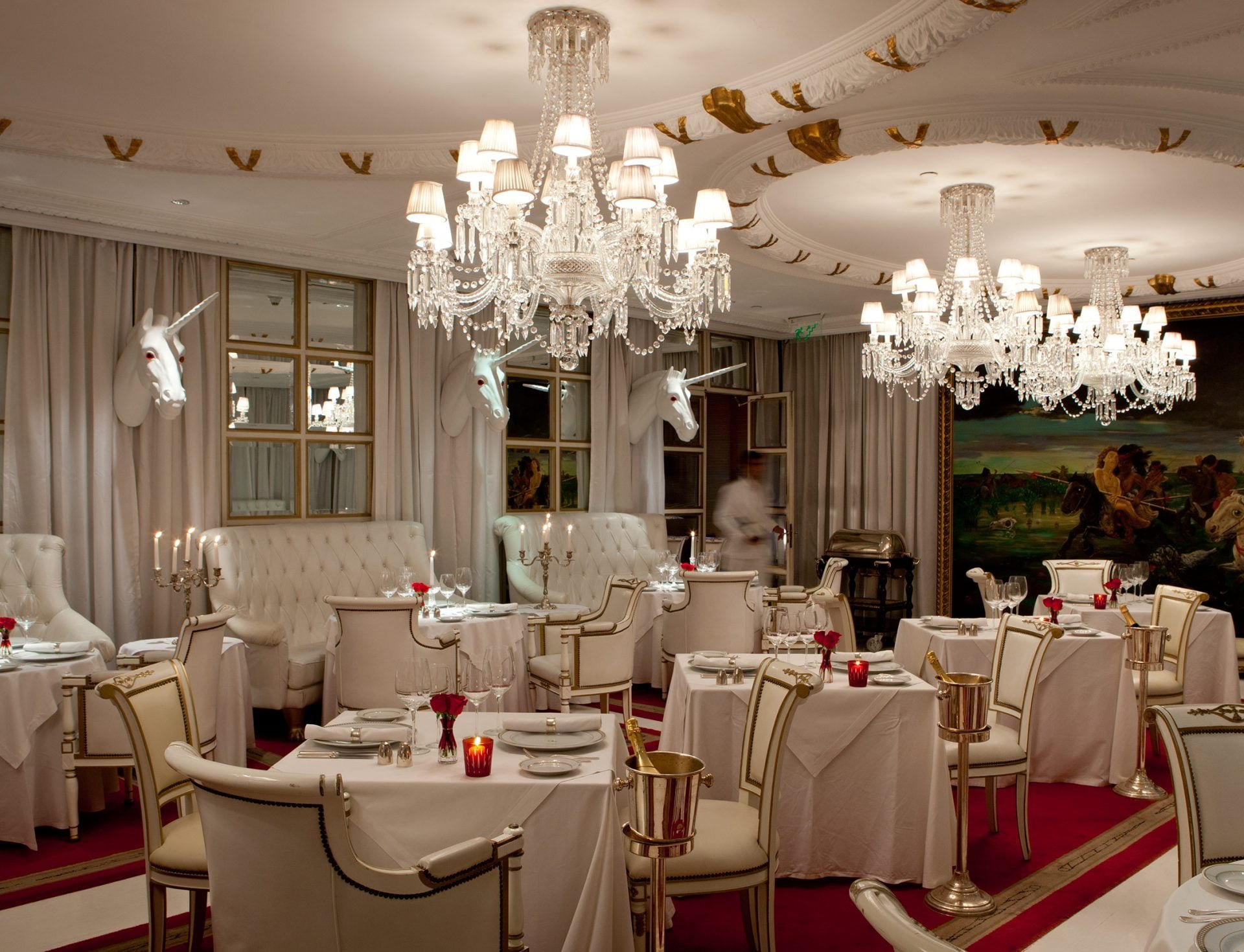
Later than you may be used to. The City’s tourism office gives dinner as 8pm to 11pm, and the Foreign Ministry’s visitor guide as 9pm to 11pm; lunch runs from 12.30pm to 3pm.
Book accordingly, and keep an afternoon snack in reserve.
Good form: book for nine and arrive hungry.
How late do bars serve?
Restaurants, bars and nightclubs may sell alcohol until 5am, the Foreign Ministry’s visitor guide notes, and alcohol is never sold to under-18s.
Each bar keeps its own hours: 878, in Villa Crespo, opens at 7pm and stays open until 3am from Thursday to Saturday, and is closed on Mondays.
Good form: pace yourself; the night here is long by design.
Can I just turn up at a cocktail bar?
Often, but book if you can. Verne Club, in Palermo, takes reservations only until 9.45pm and then admits guests first come, first served. Uptown, on Arévalo, takes reservations only by phone, so call ahead, especially at weekends.
Good form: book the early table, and walk in for the late one.
Getting about
Can I pay for the Subte with my own bank card?
Yes. The turnstiles accept contactless Visa and Mastercard credit, debit and prepaid cards, phones and smartwatches with NFC, and QR codes, at every station, the operator Emova says; foreign cards of those brands are accepted. You pay the full fare.
The same card can pay for 10 journeys a day and up to four an hour.
Good form: have the card ready before the turnstile, not at it.
Do I need a SUBE card?
Not for the Subte alone, but it helps. SUBE is the payment system for public transport, and the RED SUBE scheme gives a discount when you combine different transport across the metropolitan area. You can buy the card online or at its sales points, and top it up at SUBE points; Emova lists the stations that sell it.
Good form: one card per traveller; the discount is per card.
Who helps a visitor when something goes wrong?
The Defensoría del Turista, the tourist ombudsman, answers on (54 11) 4302 7816 and at turista@defensoria.org.ar, and the tourist police station, the Comisaría del Turista, on (54 11) 4309-9700, extension 6422.
For an ambulance, call 107 (SAME), 24 hours a day; public hospitals treat emergencies around the clock without charge, the Foreign Ministry’s visitor guide states.
Good form: save the numbers before you need them.
Local customs
How do I ask someone to dance at a milonga?
With your eyes, not your voice. The City lists the cabeceo, a glance and a nod across the room, among the codes of the Buenos Aires milonga, with the embrace and the walk, and calls it the traditional way to invite someone to dance.
At El Beso, on Riobamba, the milonga runs every afternoon and every night, 365 days a year, with classes for every level: watch first, then catch an eye.
Good form: a glance not returned is no insult; it simply did not happen.
Can I have a beer in the park?
No. Drinking alcohol in public spaces is prohibited, the Foreign Ministry’s visitor guide notes, and supermarkets and grocers sell alcohol only until 10pm.
Good form: take the thirst to a terrace; the bar is the proper place for it.
Are shops open on Saturday afternoon?
Smaller ones often are not. The City’s tourism office gives shop hours as 9am to 8pm on weekdays and 9am to 1pm on Saturdays, though shops on the main avenues stay open all afternoon, and shopping centres open until 10pm, weekends and most holidays included. Banks open on weekdays from 10am to 3pm.
Good form: the boutiques on Saturday morning, the malls after lunch.